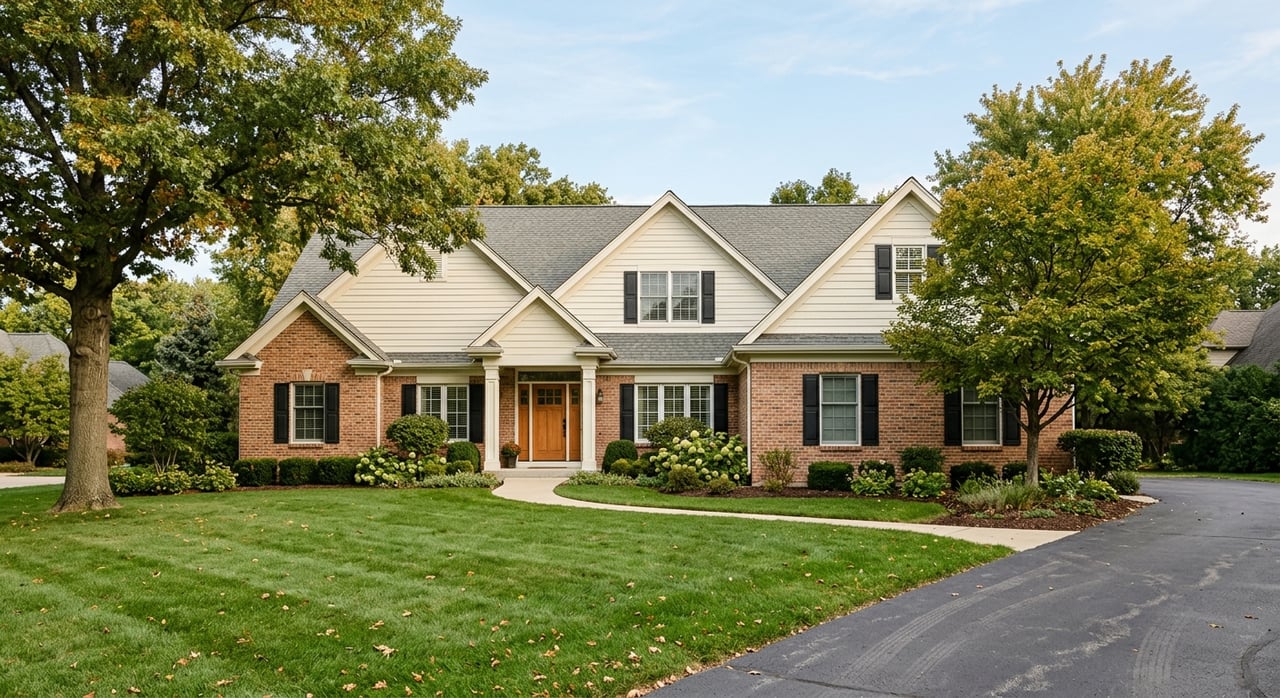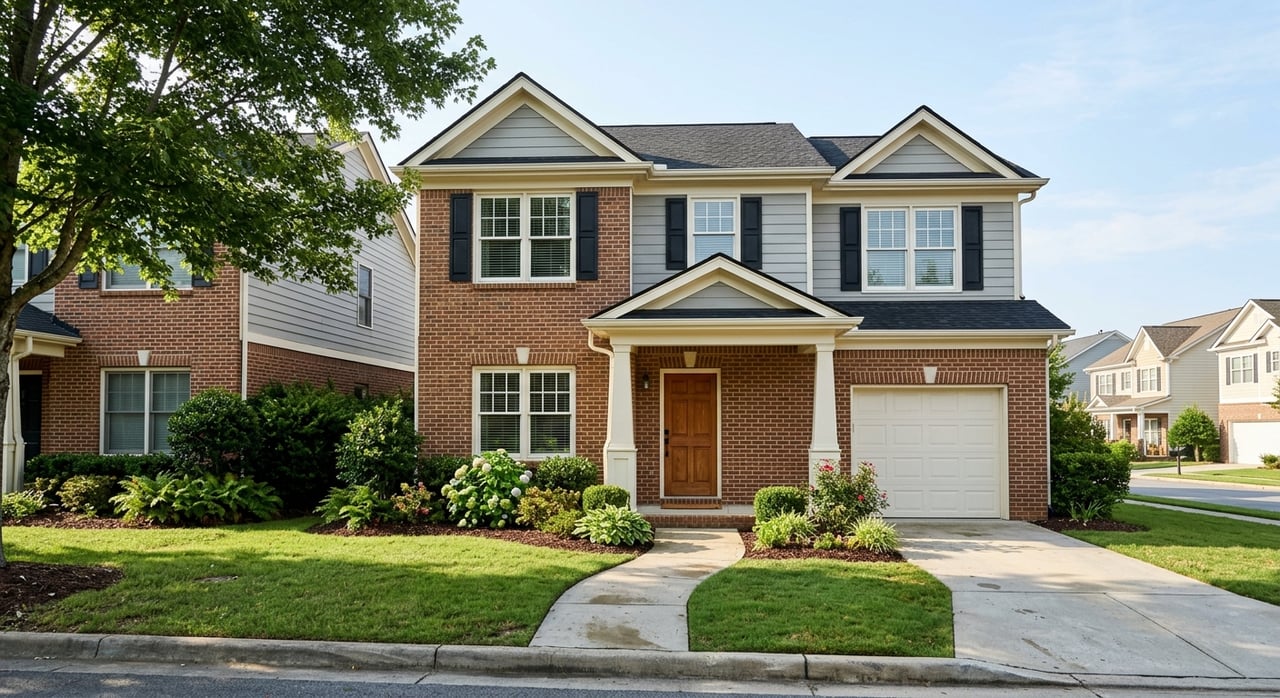
Wondering whether a condo or townhome in Johnson City could give you the easier lifestyle you want without stretching your budget too far? You are not alone. Many buyers here are looking for a home that feels manageable, well-located, and practical for everyday life. This guide will help you compare condo and townhome living in Johnson City, understand the real costs, and know what to review before you buy. Let’s dive in.
Why attached homes stand out
In Johnson City, condos and townhomes can offer a strong alternative to detached homes, especially if you want less exterior upkeep and a lower entry point. Redfin currently shows 41 condos for sale at a median listing price of $250,000 and 7 townhouses for sale at a median listing price of $325,000.
That price gap matters when the citywide median sale price is $350,000. For many buyers, attached homes create a path into ownership that may feel more reachable than many single-family options.
What prices look like in Johnson City
Current listings show a practical condo price range of about $182,500 to $474,000. Townhomes are generally priced higher, with recent listings ranging from about $209,999 to $420,000.
That does not mean one type is always better than the other. It means your decision often comes down to the full package: location, monthly dues, maintenance responsibilities, layout, and how the community is run.
Where you will find condos and townhomes
Attached-home inventory in Johnson City tends to cluster in a few key areas. Current activity is concentrated around downtown and the Tree Streets, the ETSU and central corridor, South Side Johnson City, Cherokee, Boone’s Creek, and the 37601, 37604, and 37615 ZIP codes.
These areas give buyers different price points and living styles. Some listings emphasize access to downtown, ETSU, hospitals, shopping, and Interstate 26, while newer 37615 townhome options often highlight garages, larger floor plans, and low-maintenance living.
Neighborhood and ZIP code pricing
Recent neighborhood and ZIP-level median listing prices help show how attached-home searches may vary by area:
- Tree Streets: about $357,500
- Cherokee: about $349,700
- South Side Johnson City: about $294,775
- West Davis Park: about $244,950
- 37601 ZIP code: about $332,450
- 37604 ZIP code: about $353,450
- 37615 ZIP code: about $429,900
These figures are useful for setting expectations, but the right fit depends on your budget, your preferred layout, and how you want your day-to-day living experience to feel.
Condo vs townhome: know the difference
One of the biggest mistakes buyers make is assuming the marketing label tells the whole story. In reality, a townhome is not always legally the same as a condo.
The recorded declaration, title, and homeowners association documents determine the ownership structure, maintenance obligations, and possible financing implications. In other words, two homes that look similar online may come with very different responsibilities once you own them.
What HOA fees usually cover
HOA or condo dues are usually separate from your mortgage payment. That means your monthly housing budget needs to include both.
In many condo and townhome communities, fees may help cover things like:
- Exterior maintenance
- Lawn care
- Water
- Sewer
- Trash service
- Common areas
- Amenities
- Some insurance costs
- Reserve funding for future repairs
Local listings show how much those dues can vary in Johnson City. Recent examples range from about $95 per month to $420 per month, depending on the community and what is included.
Real examples of monthly dues
Current listings show how different communities structure their fees:
- $95 per month covering exterior maintenance, insurance, and lawn care
- $150 per month covering mowing and water
- $175 per month covering water, trash, sewer, and yard services
- Higher-fee communities at $220, $300, and $420 per month
This is why list price alone does not tell the full affordability story. A lower-priced condo with higher dues may cost more each month than a higher-priced home with lower dues.
Who handles maintenance
In Tennessee condo communities, the association is generally responsible for the maintenance, repair, and replacement of the common elements. The unit owner is generally responsible for the unit itself.
That split can be a major benefit if you want less hands-on exterior work. It also means you should understand exactly what counts as a common element and what falls on you before you buy.
Insurance may be shared too
Insurance responsibilities can also be divided between the association and the owner. In some communities, the association may cover certain exterior or common-area items, while you may need your own policy for the interior of the unit and your personal belongings.
That is another reason document review matters. You want to know what is covered, what is not, and what that means for your monthly cost.
The biggest benefits of condo and townhome living
For many Johnson City buyers, the appeal is simple: easier upkeep and a more manageable lifestyle. If you travel often, work long hours, are buying your first home, or just do not want to handle as much exterior maintenance, attached living can be a smart fit.
Common advantages include:
- Lower-maintenance living
- Shared exterior upkeep
- Potentially lower upfront cost than many detached homes
- Locations close to downtown, ETSU, hospitals, shopping, and major roads
- Community services that may reduce day-to-day chores
In a seller’s market, those benefits can be especially attractive when you are trying to balance convenience and cost.
The tradeoffs to plan for
Attached homes are not maintenance-free. They simply shift some of the maintenance into shared systems and shared costs.
You should also expect community rules, monthly dues, and the possibility that dues could rise over time. Some communities may limit certain exterior changes, and some may levy special assessments if major work is needed.
Important tradeoffs to keep in mind include:
- Monthly HOA or condo dues
- Community rules in CC&Rs or bylaws
- Less control over some exterior decisions
- Possible special assessments
- Financing and resale factors tied to the community, not just the home itself
Why the HOA health matters
When you buy a condo or some townhomes, you are not only buying the unit. You are also buying into the financial health and management of the community.
That matters because project-level issues can affect financing and resale. Factors such as delinquent HOA assessments, weak reserve funding, pending litigation, leased amenities, or concentrated ownership can create added hurdles.
Smart documents to review before you buy
If you are serious about a condo or townhome in Johnson City, document review should happen early. It is one of the best ways to avoid surprises after closing.
Ask for these items and review them carefully:
- CC&Rs
- Bylaws
- Current budget
- Reserve study
- Board meeting minutes
- Special assessment history
- Seller dues status
- Any information on lawsuits or major planned repairs
UT Extension also recommends checking reserves, financial reports, lawsuits, and delinquent dues. If the association has weak reserves or unresolved issues, that can change the value of the purchase quickly.
How to compare the true monthly cost
The smartest way to compare attached homes is to look at the all-in monthly payment, not just the asking price. That means including every major housing cost in your budget.
Your comparison should include:
- Mortgage principal and interest
- Property taxes
- Insurance
- HOA or condo dues
- Utilities
- Maintenance you still handle personally
This approach gives you a much clearer picture of whether a condo, townhome, or single-family home makes the most sense for your finances.
Who may benefit most in Johnson City
Condo and townhome living can work well for several kinds of buyers in Johnson City. First-time buyers may appreciate a lower entry point and less exterior upkeep. Relocation buyers may like the convenience of central locations and easier day-to-day maintenance.
Buyers looking in newer attached-home areas, especially around 37615, may also find features like garages and more spacious floor plans. The best fit depends on how you want to live, what you want to spend each month, and how much maintenance responsibility you want to keep.
Final thoughts on attached living
Condo and townhome living in Johnson City can be a great option if you want convenience, shared upkeep, and a potentially more accessible price point than many detached homes. The key is to look beyond the list price and understand the association, the monthly dues, and the long-term financial picture.
If you want help comparing neighborhoods, reviewing the pros and tradeoffs of attached homes, or narrowing down the right fit in Johnson City, the team at Property Executives Team Elite is here to guide you with local insight and a personalized approach.
FAQs
What is the difference between a condo and a townhome in Johnson City?
- A townhome is not always legally different from a condo based on appearance alone. The recorded declaration, title, and HOA documents determine ownership structure, maintenance responsibility, and possible financing differences.
What do condo or HOA fees usually cover in Johnson City?
- Fees often cover items like exterior maintenance, lawn care, common areas, water, sewer, trash, amenities, and sometimes insurance or reserve funding, but coverage varies by community.
Are condos cheaper than townhomes in Johnson City?
- Current listings suggest condos are usually the lower-entry attached option, with a median listing price around $250,000 compared with about $325,000 for townhouses.
Where are condos and townhomes commonly found in Johnson City?
- Current inventory is concentrated in downtown and the Tree Streets, the ETSU and central corridor, South Side Johnson City, Cherokee, Boone’s Creek, and the 37601, 37604, and 37615 ZIP codes.
What documents should you review before buying a Johnson City condo or townhome?
- Ask for the CC&Rs, bylaws, current budget, reserve study, board minutes, special assessment history, seller dues status, and any information about lawsuits or major repairs.
Why does the HOA’s financial health matter when buying in Johnson City?
- The association’s reserves, delinquent dues, and any legal or maintenance issues can affect your monthly costs, financing options, and future resale potential.